Exploring Different Types of Live Performances
Live performances offer unique experiences that engage audiences in ways recorded media cannot. From dramatic theatre to electrifying concerts, understanding the various types of live performances can enhance your appreciation and enjoyment. In this article, we'll explore the different forms of live performances, their significance, and what you can expect when attending these events.
Theatre: A Timeless Art Form
Theatre is often considered one of the oldest forms of live performance, dating back to ancient civilizations. According to the American Theatre Wing, theatre combines various art forms, including acting, stagecraft, and storytelling, to convey messages and evoke emotions. This immersive experience is structured into various genres like drama, comedy, and musicals, each offering distinct narratives and themes.
"Live theatre fosters a communal space where audiences share emotional journeys together." - Theatre Researcher
Music Performances: A Spectrum of Genres
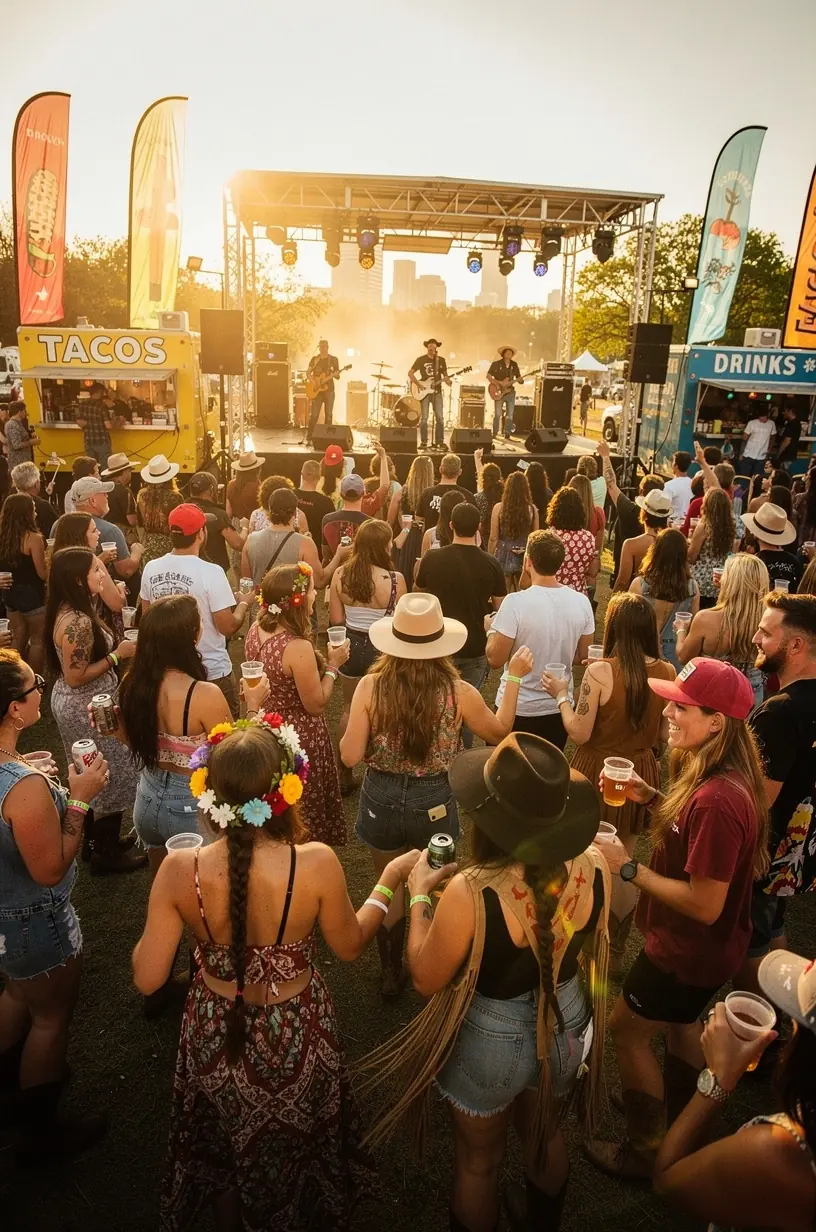
Live music performances can vary dramatically, from intimate acoustic sets in small venues to grand orchestral concerts in large auditoriums. Research indicates that live music can enhance mood and social connection, making it a valuable experience for many attendees. Music performances often include genres such as rock, jazz, classical, and folk, each providing a unique atmosphere and audience interaction.
The Benefits of Attending Live Music Events
- Connection: Many users report feeling a deeper connection to the music and artists during live performances.
- Atmosphere: The energy of a live audience can create an unforgettable experience that recordings cannot replicate.
- Engagement: Live performances often allow for audience participation, enriching the experience.
Dance Performances: Movement as Expression
Dance performances utilize the body as an instrument for storytelling, conveying emotions and narratives through movement. Many experts in the field argue that dance can communicate complex themes, such as cultural identity and personal experience, which might be hard to express verbally. Styles range from ballet to contemporary to traditional cultural dances, highlighting the diversity of this art form.
The Role of Choreography in Dance
Choreography is a crucial element in dance, involving a series of movements and patterns designed to convey the desired narrative. Typically, choreographers draw upon various influences, such as historical context and personal experience, to create meaningful performances. Understanding this process can deepen your appreciation for the artistry involved.
Comedy Shows: Laughter as Entertainment
Comedy shows, whether stand-up or improv, provide laughter and entertainment, often addressing relatable experiences. According to the University of California, comedy can serve as a social commentary, allowing audiences to reflect on societal issues while providing humor. Attending a live comedy show can be a refreshing and enjoyable way to experience this art form.
What to Expect at a Comedy Show
- Audience Interaction: Many comedians engage with the audience, making each performance unique.
- Varied Styles: Expect a range of comedic styles, from witty observations to physical comedy.
- Time Commitment: Shows typically last about 1-2 hours, allowing for a full evening of entertainment.
Conclusion
Attending live performances, whether through theatre, music, dance, or comedy, can offer enriching experiences that connect us to the arts and each other. By understanding the different types of live performances, you can make informed choices about which events to attend, enhancing your enjoyment and appreciation. Keep in mind that each performance has its unique character and charm, and exploring them can be both a delightful and educational journey.
Learn More