Guide to Effective Event Planning and Execution
Planning and executing a successful event can often feel overwhelming. However, with the right strategies and insights, you can create memorable experiences for your attendees. This guide will provide you with practical steps that can enhance your event planning process.
Understanding the Basics of Event Planning
Effective event planning begins with a clear understanding of your event's purpose and target audience. Research indicates that defining these key elements can significantly enhance overall satisfaction and engagement. According to industry standards, successful events typically involve several key components, such as:
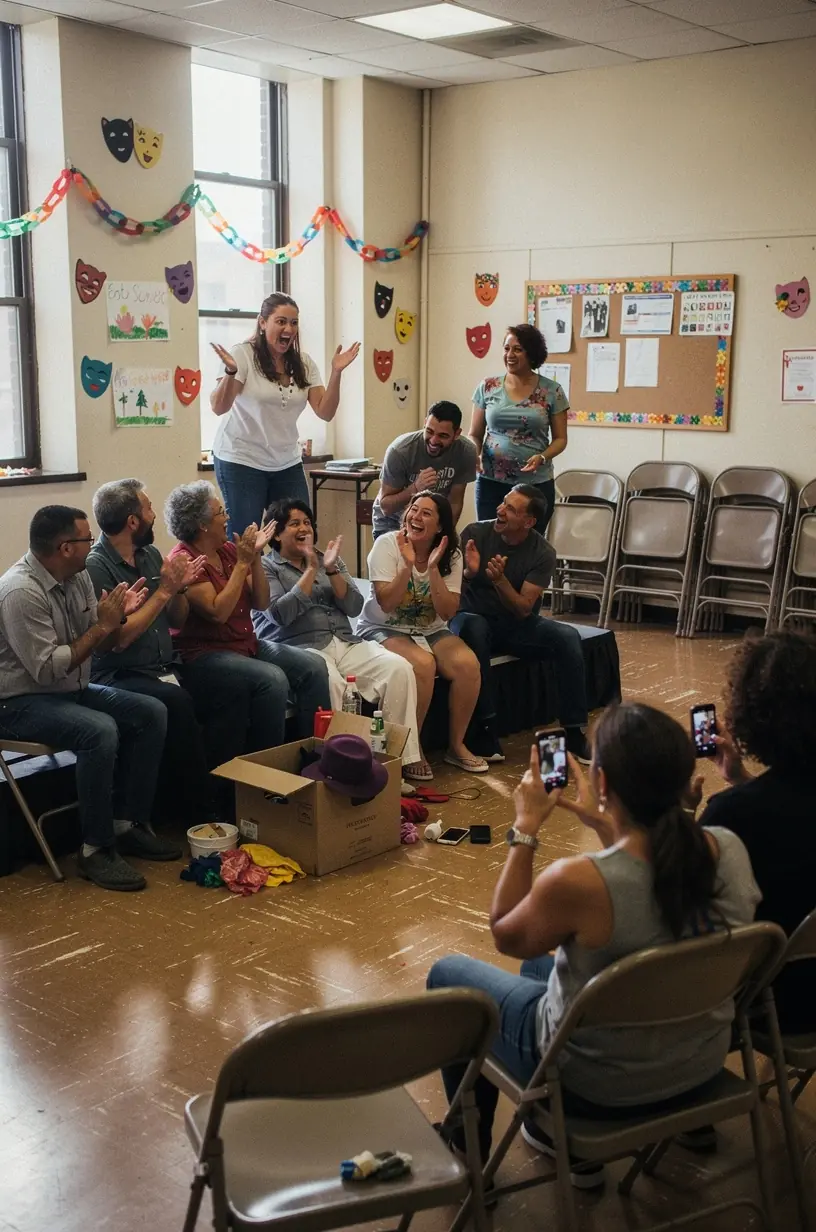
- Goal Setting: Identify what you want to achieve, whether it's networking, entertainment, or education.
- Target Audience: Understand who your attendees are and tailor your event to meet their needs.
- Budgeting: Allocate financial resources wisely to cover venue, catering, and marketing costs.
"According to experts, setting clear goals can improve event effectiveness by up to 30%."
Creating a Detailed Event Plan
Once you have established your event's foundation, the next step is to develop a comprehensive plan. This process typically takes 2-4 weeks and involves several crucial steps:
- Venue Selection: Choose a location that aligns with your event's theme and accommodates your anticipated number of guests.
- Program Development: Design an agenda that includes engaging activities, speakers, and time for networking.
- Marketing: Utilize various channels such as social media, email newsletters, and flyers to promote your event.
Many users report that a well-structured agenda can significantly increase attendee engagement and satisfaction.
Executing the Event
The execution phase is where your planning pays off. On the day of the event, consider the following:
- Staff Coordination: Ensure all team members understand their roles and responsibilities.
- Attendee Experience: Focus on creating a welcoming environment. Research shows that first impressions are critical in event settings.
- Feedback Collection: Hand out surveys post-event to gather insights on what worked well and what can be improved.
Post-Event Evaluation
After the event, it’s essential to evaluate its success. This process often requires analyzing attendee feedback and financial performance. Experts recommend that you:
- Review Feedback: Identify trends in attendee responses to improve future events.
- Assess Budget: Evaluate whether you stayed within budget and where adjustments can be made.
- Maintain Relationships: Follow up with attendees to thank them and encourage ongoing engagement.
Conclusion
By following these steps, you can enhance your event planning and execution processes. Remember, while every event is unique, applying these best practices can help you create enjoyable and engaging experiences for your attendees. Acknowledging realistic timelines and effort required will set you on a path to success in your future events.